- The Core
- Posts
- Fake Meat, Real Failure?
Fake Meat, Real Failure?

Kudrat Wadhwa
April 11, 2026 • Estimated Reading Time: 2 minutes
In partnership with

Dear Reader,
Like over 30% of Indians, I’ve been a lifelong vegetarian.
Well, almost. There was a brief phase in my late teens and early twenties when peer pressure pushed me into trying chicken and meat.
I understood my friends’ logic. Meat is high in protein. And in some forms, like pizza toppings or kebabs where you can’t quite taste it, I didn’t mind it.
But for the most part, I couldn’t stomach the texture or flavour. So I went back to being vegetarian. More specifically, egg-vegetarian.
And that’s something many meat-eaters don’t fully get. Vegetarians aren’t just avoiding meat for ethical reasons. Many simply never developed a taste for it in the first place.
That’s also something several mock meat companies missed when they launched in India around 2018.
Back then, a wave of brands promised “meat without the guilt”, targeting both flexitarian and vegetarian consumers.
Early products tried to replicate meat as closely as possible, from its texture to smell. That effort came at a cost. Plant-based meat products often sold for Rs 400 to Rs 600 for a small pack.
For context, regular chicken costs roughly half that. Vegetarian foods cost even less.
So companies were asking consumers to pay more for something they didn’t even necessarily want.
Globally, mock meat has been successful. Plant-based meat surged in the US in the 2000s and 2010s. In 2019, Beyond Meat listed on the Nasdaq at $25 a share and surged 163% on day one, one of the biggest IPO pops in recent memory.
In India, though, the story looked different.
By 2025, seven years after GoodDot launched its vegan mutton, the market was worth about $120 million. Respectable, but far from the breakout many had predicted.
A 2024 report by the Good Food Institute found that awareness hovered at just 27% to 30% among urban consumers. Of those, only about 11% had tried it. And many didn’t return.
Because unlike the West, India doesn’t really have a meat problem to solve.
Still, some say this is only the first chapter for mock meat.
“Plant-based meat is still a very new technology. We are too early in the cycle,” said Vijay Makwana, former CEO of Blue Tribe. Vijay says he feels hopeful about this category, especially now that many companies are rebranding from “fake meat” to “plant protein”.
The question now is not whether mock meat can imitate chicken, but whether it can give Indian consumers the protein, texture and convenience they actually need.
In this week’s episode of The Signal Brief, we break down what went wrong, and whether this category can still make a comeback.
You can find The Signal Brief on YouTube, Spotify, and Apple Podcasts.

Thank you once again for listening and supporting us. We’d love to hear from you; write to us at [email protected] or find us on Instagram or X at @thesignaldotco.
Best,
Kudrat
on behalf of The Core
THE CORE POLL RESULTS
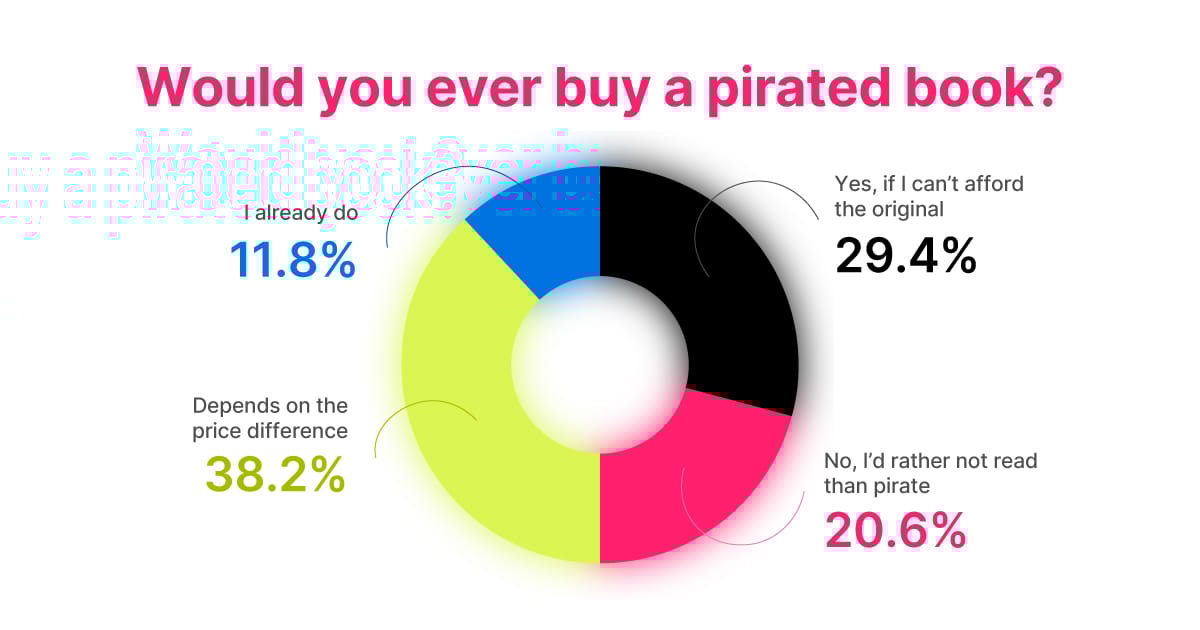
Last week, we asked you if you’d buy a pirated book. Here’s what you said:
MESSAGE FROM OUR SPONSORS
LLM traffic converts 3× better than Google search
58% of buyers now start their research in ChatGPT or Gemini, not Google. Most startups aren't showing up there yet.
The ones that are get cited by the AI tools their buyers, investors, and future hires already use. And they convert at 3×.
Download the free AEO Playbook for Startups from HubSpot and get the exact steps to start showing up. Five minutes to read.

The best marketing ideas come from marketers who live it. That’s what The Marketing Millennials delivers: real insights, fresh takes, and no fluff. Written by Daniel Murray, a marketer who knows what works, this newsletter cuts through the noise so you can stop guessing and start winning. Subscribe and level up your marketing game.
🤝 Reach 80k+ CXOs? Partner with us.
✉️ Got questions or feedback? Reach out.
💰 Like The Core? Support us.